Rice Paddy Rugby Held in Hachioji's Shimokanatawa! Adults Sprint Full Speed Through the Mud
The rice paddies of Shimokanatawa-cho in Hachioji City echoed with cheers as players covered head to toe in mud chased the ball with everything they had.
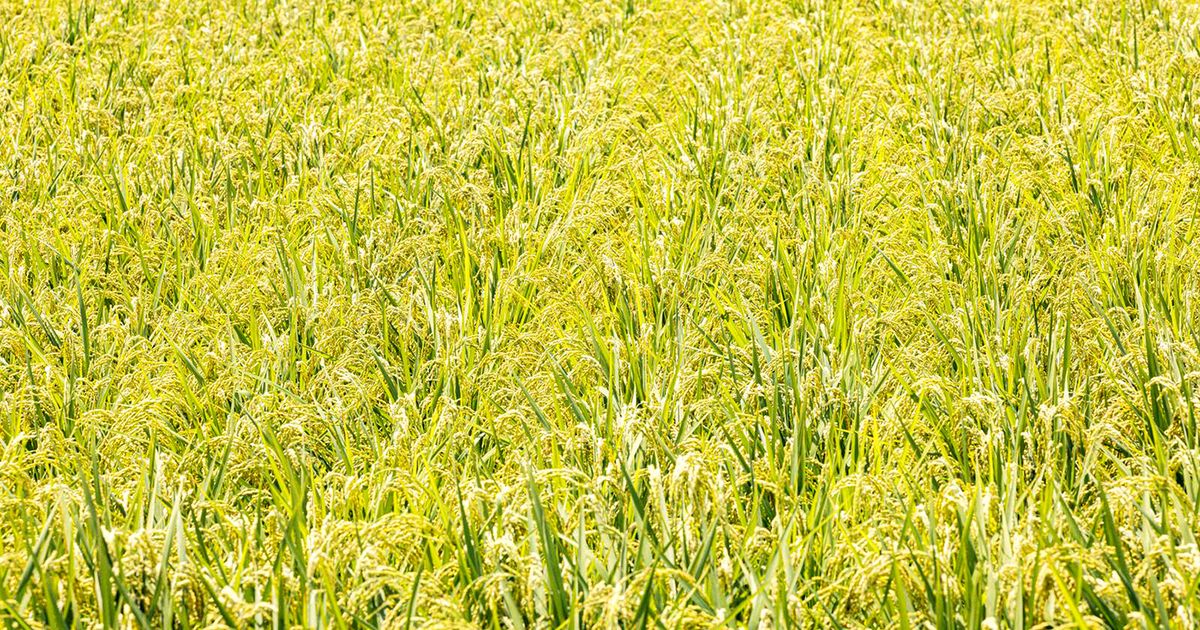
The Day Rice Paddies Turn into a Rugby Pitch
Cheers rang out across the farmland of Shimokanatawa-cho in Hachioji City.
The "Tanbo Rugby" event held on May 16, 2026—true to its name—is a uniquely hands-on event where participants play rugby right inside a rice paddy.
Watching players chase the ball through the mud, covered head to toe, was a scene that brought an involuntary smile to anyone nearby.
What makes this event stand out is that it goes well beyond a typical sports event.
The combination of the rural rice paddy setting in Shimokanatawa-cho and the sport of rugby gives local residents a sense of pride and fun that feels uniquely their own.
Located in the western reaches of Hachioji, far from the city center, this area has seen mud-soaked battles play out every spring season.
About the Event
This year's Tanbo Rugby was held in mid-May 2026 in the rice paddies of Shimokanatawa-cho, Hachioji City.
The paddies used as the playing field are filled with water just before rice planting season.
Wading through mud up to their knees, participants need a very different kind of stamina and sense of balance from ordinary rugby.
Players are divided into teams and compete to score tries, but every time someone trips and tumbles into the mud, the crowd erupts in laughter alongside the splash.
Participants range widely in age, from children to adults, and families with kids were especially conspicuous.
The feel of the mud underfoot—and the fact that falling doesn't actually hurt in a paddy—is said to be a big part of why this event is popular with first-timers and children alike.
Shimokanatawa-cho: The Setting
Shimokanatawa-cho is a rural district in the western part of Hachioji City.
Roughly 15 kilometers west of Hachioji Station, it takes about 30 to 40 minutes by car—a nature-rich area where the satoyama landscape remains vivid.
Close to Mount Takao and Mount Jinba, this district still has agriculture woven into the fabric of daily life.
Tanbo Rugby was born precisely from this connection between farming and local community.
Holding the event in paddies just before the busy planting season—with the cooperation of local farming families—is one of the hallmarks of a truly community-rooted event.
Watching long-time residents of Shimokanatawa-cho and newly arrived transplants get covered in mud together gives you a real sense of the human connections this area fosters.
The Thrill of Competing in the Mud
The defining characteristic of Tanbo Rugby is the sheer number of surprises the mud creates.
Falls and slides that would never happen in regular rugby occur constantly, keeping the game unpredictable throughout.
Amid the genuine competition, there is non-stop laughter—and big cheers from the spectators, too.
While the event demands physical commitment, the mud slows everything down enough that participants who don't normally play sports can still have a great time—and that's one of the great appeals of Tanbo Rugby.
“The best thing about Tanbo Rugby is that even when you fall, you just laugh,” as one participant put it; the event prioritizes having fun over winning.
By the end, everyone is covered in mud and grinning—that's the usual scene.
Impact on the Community and Local Connections
Tanbo Rugby is as much a community-building event as it is a sporting one.
Participants gather not only from Shimokanatawa-cho but from across Hachioji City, and people who don't normally interact end up playing side by side in the mud.
This shared experience of "going through something together" becomes the spark for deepening community ties.
As an experiment in linking agriculture with local events, it has also caught the attention of local farmers as a new way to make use of their rice paddies.
By holding the event during the pre-planting period, it is also hoped to raise awareness about the importance of maintaining farmland.
This event—where agriculture and community sport intersect—is said to be taking root as a springtime fixture in Shimokanatawa-cho, and it represents a true asset for the local area.
The buzz generated by such a unique event also has the effect of increasing interest in western Hachioji.
With Hachioji City reportedly attracting more relocating residents in recent years who value both easy access to central Tokyo and a natural environment, events that showcase the district's distinctive character are becoming ever more important.
Participation and Access Information
Tanbo Rugby is typically held in May, before the rice-planting season each year.
For participation details and sign-up information, it's best to keep a close eye on organizer announcements and local event listings.
Getting There
- From JR Chuo Line Takao Station, take a Nishi-Tokyo Bus toward Shimokanatawa for about 15–20 minutes
- By car, about 30–40 minutes from central Hachioji via Jinba Kaido (Tokyo Metropolitan Road 521)
- Parking is usually available near the paddy venue on event days
If you plan to participate, come prepared to get completely covered in mud.
A change of clothes and a plastic bag are absolute essentials.
Old sneakers or sandals work best for footwear—something you won't mind throwing away if necessary.
It's also a good idea to check in advance where showers or changing facilities will be available after the event.
The Local People Who Make Tanbo Rugby Happen
The event runs thanks to the volunteer spirit and cooperation of people in the local community.
Local farming families lend their paddies, and local residents pitch in as staff—this is what makes it possible.
At its core, it's a handmade event driven by the desire to "energize the community" rather than any profit motive.
There's also a rugby-promotion angle to the event.
Since the 2019 Rugby World Cup in Japan, interest in rugby has grown across the country, and Tanbo Rugby functions as a low-barrier entry point for complete newcomers to the sport.
For many, the rice paddies of Shimokanatawa-cho have become the place where they first encountered rugby at all.
For children, the experience of playing in a rice paddy is itself something precious.
In an era when farmland is shrinking and many kids grow up without ever touching mud, rolling around laughing in a paddy—covered head to toe—is the kind of memory that stays with you.
Rediscovering the Charms of Western Hachioji
The area around Shimokanatawa-cho, where Tanbo Rugby is held, is one of the parts of Hachioji City where rural and natural scenery remains most vivid.
The Kita-Asagawa River runs nearby, offering scenic nature across all four seasons.
From spring greenery to summer river play to autumn foliage, the rich natural environment is something you simply can't experience in urban areas.
In the neighborhoods close to Shimokanatawa-cho—Otsu and Kamikanatawa—old farmhouses and traditional homes still dot the landscape.
Several roadside farm stands selling local produce are scattered throughout, and many event participants make a point of stopping in.
Shimokanatawa-cho has a relatively low profile even within Hachioji, but the fact that more and more city residents are discovering it through Tanbo Rugby and thinking "I had no idea somewhere this wonderful existed"—that's a welcome change for the area.
Combining a visit with nearby highlights like Mount Takao or Hachioji Castle ruins makes for a great itinerary through western Hachioji.
As an Event That Has Taken Root in Hachioji
The experience of playing rugby in the mud stays with participants long after the event is over.
The fact that people say year after year, "I'm definitely coming back" and "I want to bring my friends"—that speaks to just how intense and memorable the experience is.
As long as that enthusiasm continues, Tanbo Rugby will keep being celebrated as a symbol of spring in Shimokanatawa-cho.
Where agriculture, community sport, and human connection all come together—that's Tanbo Rugby.
When the next event is announced, we hope you'll consider joining in.
Getting covered head to toe in mud and laughing alongside your neighbors is sure to remind you, all over again, of the joy of living in Hachioji City.

多摩エリアのディープな魅力を発信するWebメディア「多摩FM」の公式編集部アカウント。 地域に根ざしたカルチャーやライフスタイル、ちょっとマニアックなローカル情報まで、ラジオのようなどこか心地よい温度感でお届けします!